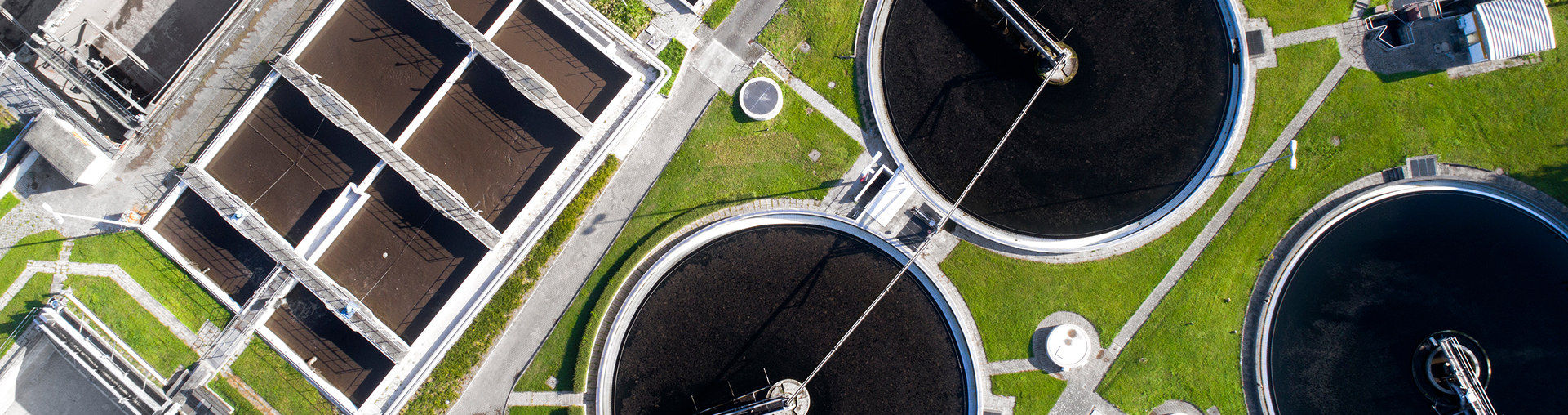

Environmental compliance helps improve operational efficiency, reduce costs, mitigate related legal penalties, and strengthen your facility’s reputation across industrial sectors. These regulations establish the framework for industrial businesses, from oil extraction to water treatment.
This guide outlines major environmental regulations for businesses. Discover how your company can ensure compliance and protect your bottom line.
The Importance and Benefits of Environmental Compliance
When you prioritize environmental responsibility, your company benefits from greater productivity, reduced liability and stronger brand credibility.
The financial stakes are substantial. California’s Attorney General settled for $7.5 million with Walmart for illegal disposal of hazardous and medical waste, highlighting the significant costs associated with noncompliance.
Facilities that embrace environmental compliance standards realize the following benefits:
-
Cost reduction: By managing hazardous materials, companies can reduce costs for specialized disposal and complex handling protocols.
-
Competitive advantage: A strong environmental track record attracts high-quality partners and tenants with their own safety requirements, opening the door to contracts with industry leaders.
-
Reduced insurance premiums: A secure environmental management system demonstrates lower risk to stakeholders. As such, companies may potentially reduce their insurance premiums.
-
Improved efficiency: Reviewing processes can lead to less hazardous products, reducing material costs and eliminating the need for specialized disposal infrastructure.
Major Environmental Regulations Companies Must Follow
Understanding which federal environmental laws apply to your operations supports an effective compliance strategy.
Toxic Substances Control Act
The Toxic Substances Control Act (TSCA) regulates the production, importation and use of chemical substances to protect human health and the environment. For importers, TSCA legally defines “import” as “manufacturing,” placing the full compliance burden on companies bringing substances across borders. Non-compliant shipments face denial of entry by U.S. Customs and Border Protection, leading to costly supply chain disruptions.
Companies must comply with certification reporting and record-keeping requirements, and immediately inform the U.S. Environmental Protection Agency (EPA) of any risk of harm to health or the environment. Green chemistry alternatives offer a proactive approach to TSCA compliance by reducing reliance on substances requiring extensive documentation.
Resource Conservation and Recovery Act
The Resource Conservation and Recovery Act (RCRA) gives the EPA authority to regulate hazardous waste.
The Federal Hazardous and Solid Waste Amendments of 1984 focus on waste minimization and the phasing out of land disposal of hazardous waste, as well as on establishing corrective action protocols for releases. Through the 1986 amendments, the EPA addresses environmental problems from underground tanks storing petroleum and hazardous substances.
Ley de Aire Limpio
The Clean Air Act (CAA) regulates air emissions from stationary and mobile sources. This comprehensive federal law authorizes the EPA to establish National Ambient Air Quality Standards. These standards protect public health and welfare and regulate hazardous air pollutant emissions.
For industrial facilities, CAA compliance means implementing monitoring systems and maintaining emissions below the established thresholds.
Ley de Agua Limpia
The Clean Water Act (CWA) regulates pollutant discharge into U.S. waters. This act sets specific quality standards for surface waters. The EPA’s National Pollutant Discharge Elimination System permit program controls discharges from point sources such as ditches or pipes.
Facilities must acquire permits if discharges go directly to surface waters. As such, proper formulation selection is critical for maintaining permit compliance.
Comprehensive Environmental Response, Compensation and Liability Act
The Comprehensive Environmental Response, Compensation and Liability Act (CERCLA), commonly known as Superfund, provides federal resources to clean uncontrolled hazardous waste sites, accidents, spills and emergency releases.
The EPA uses CERCLA to identify parties responsible for releases and ensure their cooperation in cleanup efforts. This act establishes clear liability frameworks through safer formulations.
Emergency Planning and Community Right-to-Know Act
The Emergency Planning and Community Right-to-Know Act (EPCRA) helps local communities protect public health, safety and the environment from chemical hazards. States maintain a State Emergency Response Commission that divides the state into Emergency Planning Districts, each with a Local Emergency Planning Committee.
Broad representation means all necessary planning elements receive attention. This act requires facilities to maintain transparent communication about substances stored on-site.
Compliance Requirements for Businesses
Environmental compliance translates into specific operational responsibilities. According to the EPA, thorough documentation and systematic monitoring are key to successful compliance programs. Facilities must maintain:
-
Record-keeping: Comprehensive documentation of formulation usage, storage conditions and disposal methods demonstrates compliance during inspections and audits.
-
Reporting obligations: Timely submission of required reports to federal, state and local agencies prevents violations and maintains operating permits.
-
Employee training: Regular training programs help personnel understand proper handling and emergency response protocols.
-
On-site inspections: Systematic inspections identify potential issues before they become violations, allowing for corrective action.
-
Emissions monitoring: By monitoring air and water discharges, companies can verify that operations remain within permitted limits.
Industry-Specific Applications
Environmental regulatory compliance varies across industrial sectors, though the fundamental principles remain the same. Understanding how these regulations apply to specific operations helps facilities create targeted strategies:
-
Oil and gas: These industries follow TSCA for production chemicals, RCRA for drilling waste and CAA for emissions from extraction and processing. Oil refineries, for instance, must ensure careful formulation selection and documentation.
-
Water treatment: Regulations include CWA discharge permits, TSCA chemical handling and EPCRA reporting for substances used in treatment processes.
-
Agriculture: Standards include FIFRA pesticide regulations, CWA nutrient management and RCRA formulation storage. These regulations affect crop production and livestock operations across all scales.
-
Mining: Mining operations follow CERCLA for site contamination, RCRA for tailings and waste rock and CAA for dust and emissions.
-
Construction: Construction companies follow CWA for stormwater management, TSCA for asbestos and lead-based paint and RCRA for hazardous waste disposal.
Environmental Compliance Best Practices
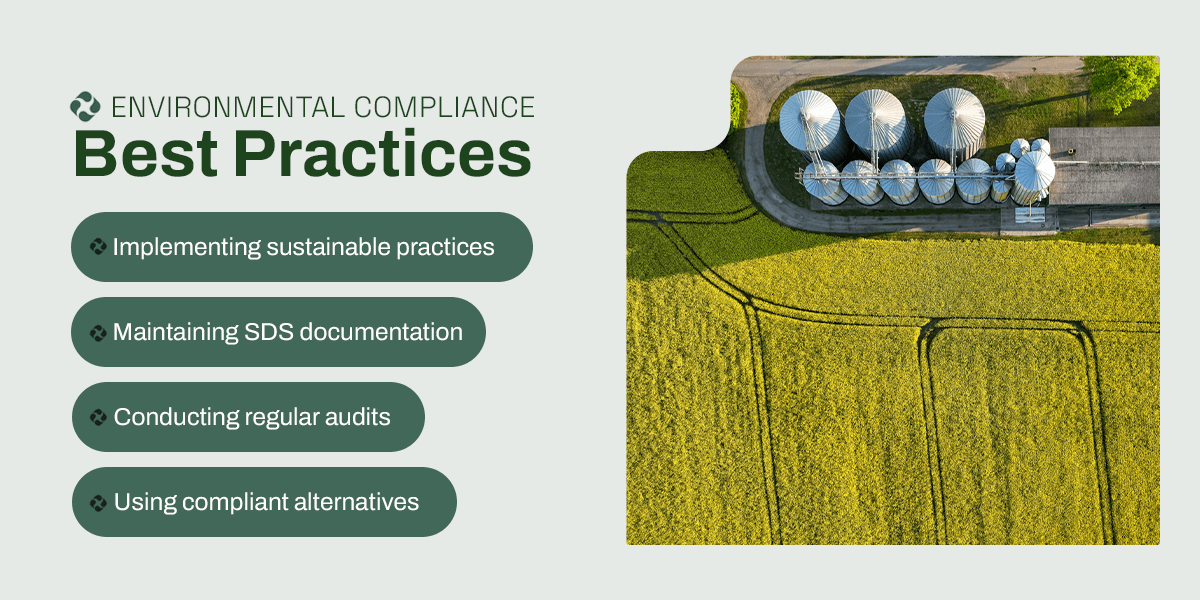
Proactive compliance strategies deliver measurable returns. Building a strong compliance framework involves:
-
Implementing sustainable practices: Adopting safer alternative formulations minimizes regulatory burden, improves workplace safety and reduces disposal costs.
-
Maintaining SDS documentation: Having current safety data sheets for all on-site substances ensures personnel have access to critical safety information. It also demonstrates compliance with right-to-know requirements.
-
Conducting regular audits: Systematic compliance audits identify gaps before regulatory inspections, allowing facilities to address issues proactively rather than reactively.
-
Using compliant alternatives: Selecting formulations designed to meet environmental standards simplifies compliance. For example, alternatives to traditional hydrochloric acid deliver effective performance, reduce regulatory complexity and improve safety profiles.
Meet Your Environmental Goals With Heartland Energy Group LTD
Heartland Energy Group LTD has pioneered safer alternative chemistries since 2006. We are proud to provide environmentally responsible formulations that help industrial companies meet regulatory standards without compromising performance. Our team brings over 100 years of combined experience creating custom solutions for oil and gas, mining, agriculture, water treatment, and industrial sectors.
Every manufactured product uses ingredients that comply with EPA Design for the Environment standards and FIFRA regulations. From TSCA-compliant formulations to non-toxic alternatives that lower disposal costs, we engineer solutions that deliver measurable improvements.
Ready to strengthen your environmental compliance strategy? Complete our contact form, call us at (877) 797-2811 o request a quote to discuss how our safer chemistries can support your facility’s goals.

Publicaciones populares



Asociate con nosotros
Alinearse con Heartland Energy Group
Contáctenos hoy mismo para descubrir cómo nuestras sofisticadas soluciones pueden optimizar sus operaciones en los sectores de petróleo y gas, tratamiento de agua, minería, agricultura, desinfección e industria. Juntos, podemos lograr la excelencia operativa y ofrecer resultados duraderos e impactantes.