Like other harmful workplace chemicals, the corrosive properties of hydrochloric acid make it extremely hazardous to workers. This danger stems from its fundamental chemistry. The acid completely dissociates in water, which allows it to immediately begin breaking down organic tissues on contact. That aggressive chemical reaction often goes beyond surface damage, since the substance can deeply penetrate skin, eyes and respiratory systems.
Despite these serious risks, the acid remains a staple in industrial processes. To reduce the potential for employee harm, many organizations are seeking safer alternatives.
Where Is Hydrochloric Acid Used?
Hydrochloric acid is common in many industrial processes and workflows:
- Oil and gas: Hydrochloric acid is popular in acidizing operations, well stimulation, scale removal, drilling and completion, and equipment cleaning.
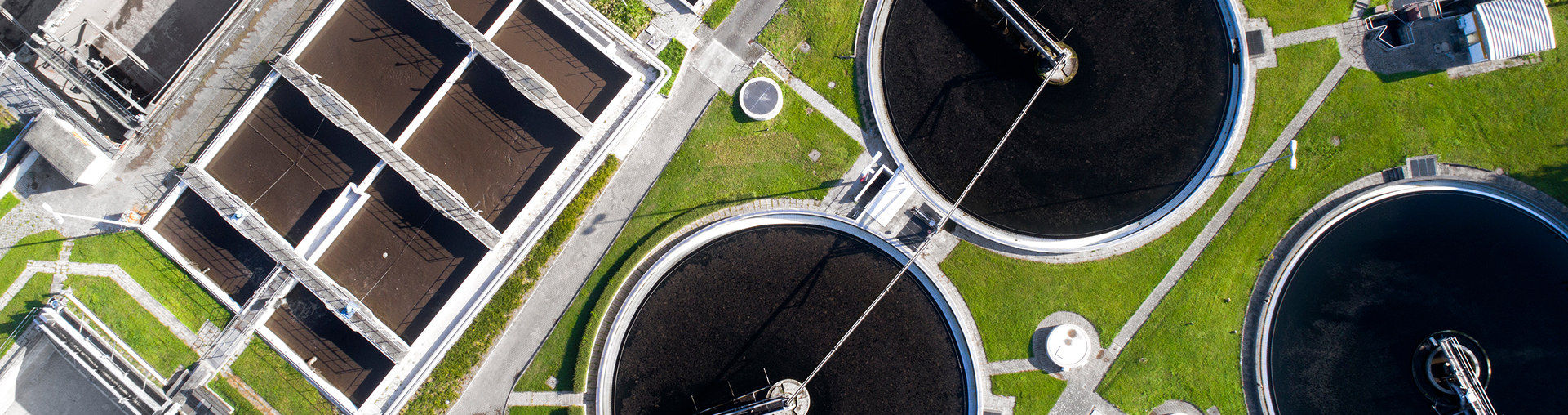
- Water treatment: Agencies rely on this acid for pH adjustments, reactivation of treatment media, scale and deposit removal, and management of chloramine.
- Manufacturing: Hydrochloric acid is widely used in metal cleaning, as a reagent, in boiler cleaning and in equipment descaling.
- Construction: This acid helps prepare surfaces for coating and removes stains and efflorescence from masonry.
- Agriculture: Those involved in agricultural operations may use hydrochloric acid to remove buildup in irrigation systems.
- Mining: Hydrochloric acid can leach certain metals from ores and descale processing equipment.
The Real Cost of Hydrochloric Acid Use: Numbers and Health Impacts
The statistics and health impacts clearly demonstrate the serious dangers of hydrochloric acid exposure.
The Data
- A February 2024 analysis of severe injuries in the oil and gas industry by the CDC showed 2,101 severe injuries to employees between 2015 and 2022 — 7% of these involved burns or corrosion.
- Exposure to hazardous chemicals like hydrochloric acid is responsible for about 19,000 deaths annually.
- Chemical exposure in the workplace during 2023 resulted in 63 deaths and 29,530 days away, restricted or transferred cases.
Skin and Eye Injuries
Chemical burns are one of the most common side effects of hydrochloric acid exposure. Limited exposure typically produces a stinging sensation, while prolonged or excessive exposure can result in severe burns that cause blistering, acute pain and permanent scarring. The acid’s concentration also affects the rate of damage, with diluted solutions taking longer to cause symptoms. Vision loss can occur when the acid comes into contact with eye tissues.
Respiratory Damage
Respiratory damage occurs primarily from inhalation of hydrochloric vapors or mist. The fumes and droplets can cause lung damage or pulmonary edema — fluid in the lungs that makes breathing more difficult. Other respiratory issues that can arise include:
- Tachypnea, or rapid breathing
- Shortness of breath
- Coughing
- Chronic bronchitis
- Long-term reduced lung function
Internal Damage from Ingestion
Hydrochloric acid ingestion can lead to:
- Corrosion of the lips, mouth, esophagus and stomach
- Dysphagia, or difficulty swallowing
- Gastrointestinal burns
- Erosion of dental enamel
- Inflammation of the mouth and mucus membranes
What Are Better Alternatives to Hydrochloric Acid?
Heartland Energy Group LTD manufactures several innovative, safer alternatives to hydrochloric acid that are equally effective. Our 100% environmentally safe solutions include:
- Oil Safe AR®: This product series is our flagship line of synthetic acids for oil and gas. Oil Safe AR 1050 is our most popular direct replacement for acidizing operations, preblended for ready-to-use convenience. Other options include the concentrated Neat for more severe applications and the specialized 1030-WLF for wireline operations.
- Syntech®: This collection offers the dissolving power of hydrochloric acid with the safety of organic acids. Syntech is a dry pH reducer powder that’s fume-free and not regulated by the Department of Transportation.
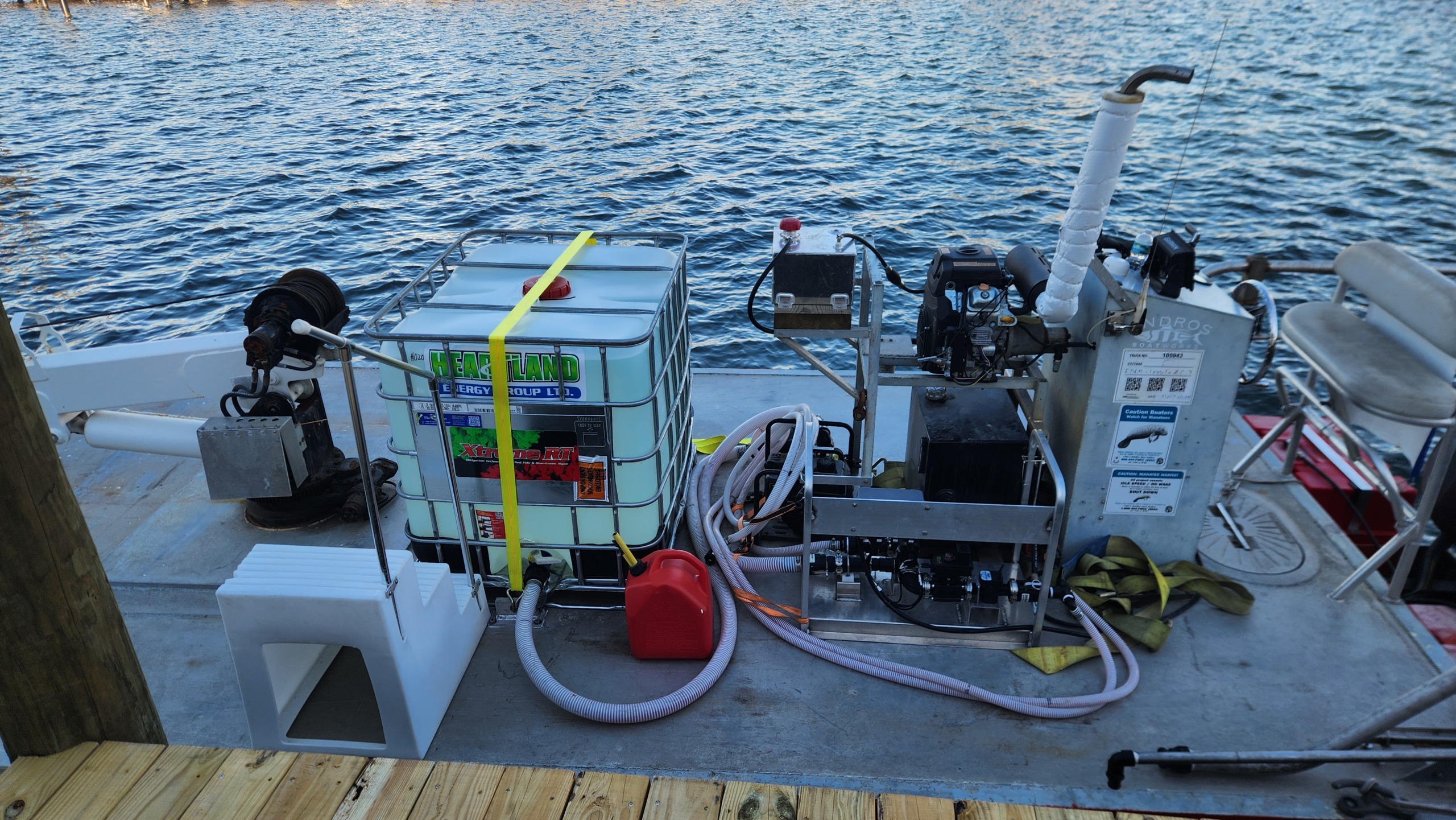
- WaterSafe 60® and WaterSafe AR®: WaterSafe 60 is ideal for pH adjustment in water treatment operations and conforms to the EPA’s Safer Choice program requirements. WaterSafe AR is perfect for water well treatments with a triple-zero hazardous materials information system score.
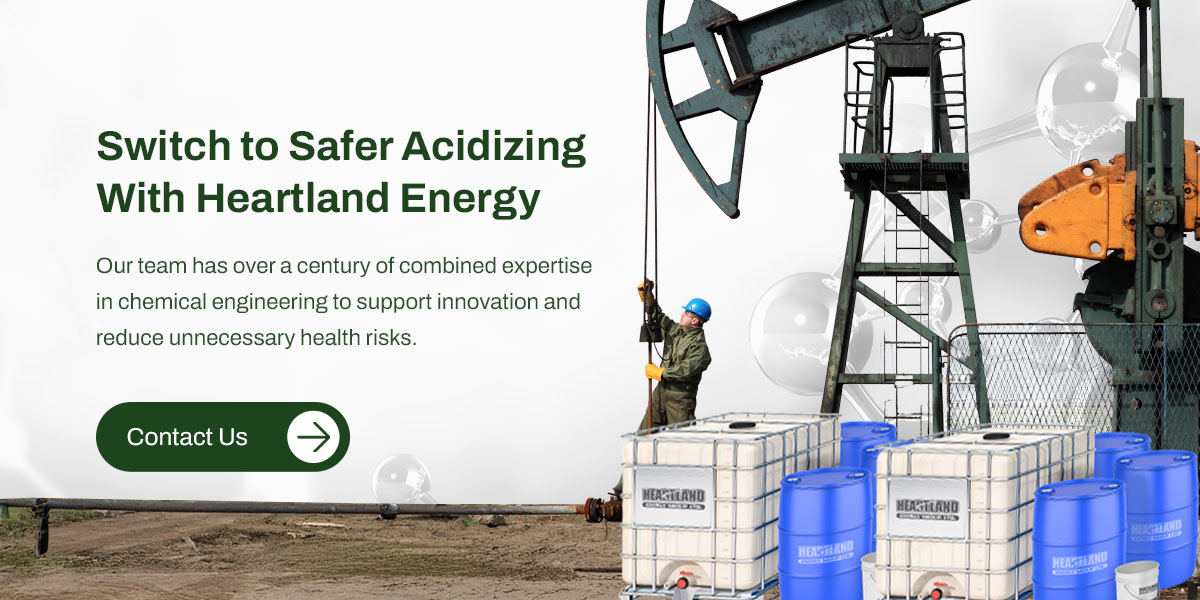
Switch to Safer Acidizing With Heartland Energy
At Heartland Energy Group LTD, safety is always the priority. We’ve spent decades focusing on developing environmentally safe and effective products that businesses can feel confident using. Our team has over a century of combined expertise in chemical engineering to support innovation and reduce unnecessary health risks. Explore our safer acidizing solutions to find the right fit for your application, or contact us online for expert advice.
Publicações populares



Seja nosso parceiro
Alinhar-se com o Grupo Heartland Energy
Entre em contacto hoje mesmo para descobrir como as nossas soluções sofisticadas podem melhorar as suas operações nos sectores do petróleo e gás, tratamento de água, mineração, agricultura, desinfectantes e industrial. Juntos, podemos alcançar a excelência operacional e fornecer resultados duradouros e impactantes.