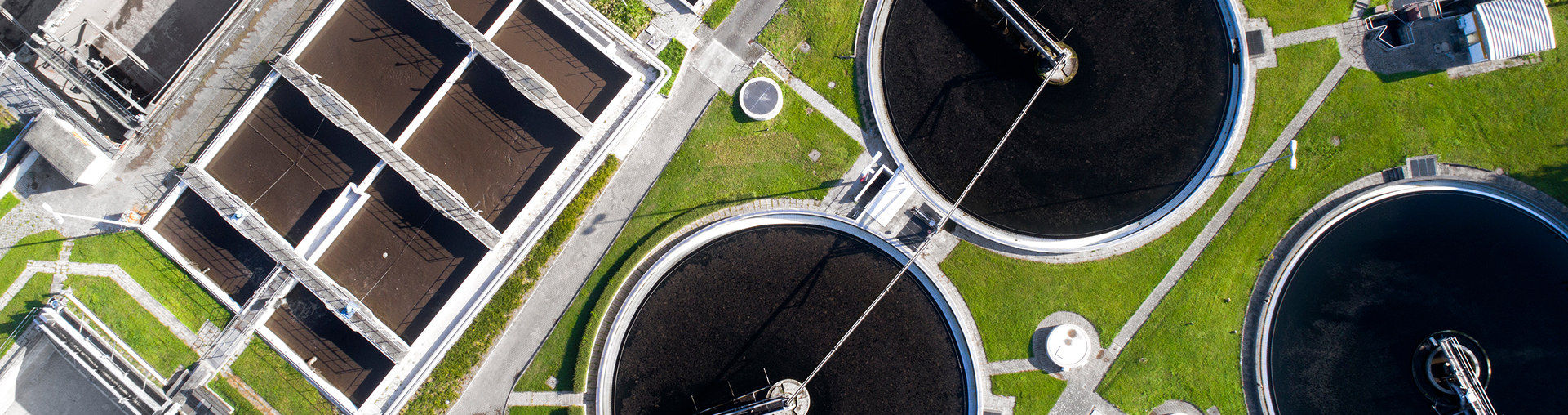

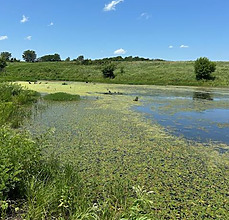
Harmful algal blooms (HABs) can develop, grow and cause serious impacts in warm, stagnant bodies of water. Treating blooms such as red tide and blue-green algae is vital for environmental health, aquatic life, human safety and local economies.
What Causes Algae Blooms?
Algae blooms are caused by a combination of excess nutrients, warmth, and sunlight in shallow, calm waters. These are the primary contributing factors to algae blooms:
- Nutrient pollution: Agricultural runoff, fertilizers and sewage often contain excess nutrients such as phosphorus and nitrogen. These nutrients can promote rapid algae growth.
- Sunlight: Algae use sunlight to photosynthesize, and excess sunlight can cause blooms to grow.
- Warm water: A higher water temperature accelerates algae’s metabolic rate and holds less dissolved oxygen, giving it a competitive advantage over nearby organisms and helping it grow faster. Warm water also causes water to stratify, which traps nutrients near the surface where they can absorb more sunlight.
- Stagnation: Stagnant or slow-moving water enables algae to accumulate in one area, forming blooms. Seasonal and weather changes often change currents, which can impact algae bloom formation and movement.
- High pH levels: Algae growth often raises the pH levels in water because algae consume carbon dioxide during photosynthesis. This process releases oxygen, which raises the water’s pH and creates an environment that allows algae to thrive and form blooms.
- Invasive species: Non-native fish species can disrupt the food web and alter nutrient cycles. For example, an invasive species may consume the native species that help control algae in a body of water, leaving the algae to grow uncontrolled.
What Causes Red Tide?
Red tide is caused by specific types of microscopic algae, such as dinoflagellates. Various organizations, such as the Florida Fish and Wildlife Conservation Commission’s (FWC’s) Center for Red Tide Research and Harmful Algal Bloom/Red Tide Task Force in Florida, support efforts to track and respond to HABs. While state and community organizations help mitigate the risks of red tide, it’s essential to understand its causes and know what to look for. The following types of dinoflagellates grow rapidly and can produce harmful toxins:
Karenia brevis
Karenia brevis commonly causes red tides on the Gulf Coast of Florida. This algae can produce brevetoxins, which often harm marine life, kill fish and release airborne aerosols that irritate human respiratory systems.
Alexandrium fundyense
Alexandrium fundyense is the main cause of red tides along the Atlantic coast. It’s common in the Gulf of Maine, which spans from southern New England to the Canadian Maritimes. Alexandrium fundyense often produces saxitoxin, which leads to paralytic fish poisoning (PSP).
Chaetoceros
Chaetoceros is a widespread, diverse dinoflagellate that can grow in various waters around the world. This algae is common in phytoplankton communities, and it does not produce harmful toxins like other algae. However, it can form red tides and damage the gills of finfish.
Noctiluca scintillans
The dinoflagellate Noctiluca scintillans grows in subtropical, temperate and tropical marine environments and is most common in shallow areas near rivermouths. A red tide of Noctiluca scintillans does not produce harmful toxins, but it can cause mass fish and invertebrate mortalities due to excreting lethal amounts of ammonia.
What Causes Blue-Green Algae?
Blue-green algae is a harmful algae bloom that primarily occurs in freshwater due to the presence of cyanobacteria. It’s common in ponds, lakes and rivers, but it can also develop in saltwater and brackish environments. Thanks to the Cyanobacterial Monitoring Collaborative, the Environmental Protection Agency (EPA) facilitates the bloomWatch app to help users identify and report potential cyanobacteria blooms. Urban and agricultural runoff are the main causes of these blooms because they release excess nutrients such as phosphorus and nitrogen.
The Impacts of Untreated Algae Blooms
An untreated algal bloom can lead to various environmental, human health and economic consequences. These are the most common algae and red tide impacts organizations should be aware of:
- Respiratory complications and eye irritation: Airborne toxins can cause people to experience respiratory complications, sneezing, coughing and eye irritation. They can also exacerbate respiratory conditions such as emphysema and asthma.
- Food poisoning: Consuming contaminated shellfish can cause Neurotoxic Shellfish Poisoning (NSP), which often leads to neurological symptoms, nausea and vomiting.
- Reduced marine life populations: Red tide can significantly impact marine life populations. The toxins it releases can kill fish, dolphins, sea turtles and whales. Decomposing algae blooms can also cause hypoxia by consuming excess oxygen and creating low-oxygen “dead zones” that harm marine life.
- Habitat damage: Dense red tides can block sunlight from reaching underwater habitats such as seagrass beds. Without sunlight, marine plants cannot photosynthesize and grow, so they eventually die.
- Fishery closures: Red tides can devastate recreational and commercial fishing industries.
- Reduced tourism revenue: Tourism often declines when beaches and fishing areas close due to red tides, which impacts the revenue of local communities.
- Increased cleanup and health costs: Communities face significant cleanup costs in the event of mass marine life deaths. Public health costs can also increase due to the illnesses and complications that red tide can cause.

How to Treat Red Tide and Blue-Green Algae
Choosing a safe, effective algae bloom or red tide treatment is vital for environmental, public and economic health. It’s best to opt for an EPA-approved solution that targets the specific type of algae growing, prevents harmful residue and does not harm marine life. The following methods offer different pros and cons:
Traditional Algaecides
Algaecides disrupt cellular processes, killing algae through various formulaic actions such as damaging cell walls, disrupting photosynthesis and suffocating the organism. Traditional algaecides can harm non-target species and release toxins, potentially harming the environment.
Physical Mitigation and Removal
Physical methods such as the following incapacitate or remove algae and treat red tide:
- Filtration: The filtration method uses devices such as robots to physically strain cells from the water.
- Skimming: Skimming removes algae surface scums that have floated to the top of the water.
- Ultrasonic devices: Ultrasonic devices disrupt algal cells with sound waves, causing them to sink to the bottom of a body of water.
Physical methods are often localized, labor-intensive and impractical for large-scale algae blooms.
Biological Clay-Based Treatment
Clay flocculation involves spraying clay onto the water. This causes algae cells to clump together and sink to the lake bed or seabed. While this method can remove algae blooms, motile algal cells can escape flocs and potentially re-bloom. Flocculation can also negatively impact the marine ecosystem by smothering bottom-dwelling organisms and releasing toxins into the environment.
Advanced Biodegradable Formulations
Biodegradable formulations, such as Heartland Energy Group’s Xtreme™ RT, are advanced, sustainable solutions that target harmful algae without damaging the environment. These formulations disrupt the algae’s cellular integrity and neutralize toxins without releasing harmful byproducts into the water. Biodegradable treatments work rapidly and are safer for aquatic life than traditional methods.
Treat Algae Safely With Heartland Energy Group LTD
Treating harmful algae safely and effectively is crucial. Heartland Energy Group offers Xtreme™ Treatment Compound -RT as a reliable, sustainable algae solution. This formulation treats red tide and blue-green algae, neutralizing harmful algal blooms and their toxins without leaving a toxic residue. It is considered Generally Recognized As Safe (GRAS) by the FDA and is an excellent alternative to harsh traditional algaecides such as copper-based solutions.
As a leader in developing innovative, environmentally responsible formulations, Heartland Energy Group is committed to safety and efficacy. Call us at (877) 317-1679 or contact us online to learn more about our water treatment solutions.
Popular Posts


Partner with us
Align With Heartland Energy Group
Reach out today to discover how our sophisticated solutions can enhance your operations across the oil and gas, water treatment, mining, agriculture, disinfectant, and industrial sectors. Together, we can achieve operational excellence and deliver enduring, impactful results.